
Disclaimer: The opinions expressed by our writers are their own and do not represent the views of U.Today. The financial and market information provided on U.Today is intended for informational purposes only. U.Today is not liable for any financial losses incurred while trading cryptocurrencies. Conduct your own research by contacting financial experts before making any investment decisions. We believe that all content is accurate as of the date of publication, but certain offers mentioned may no longer be available.

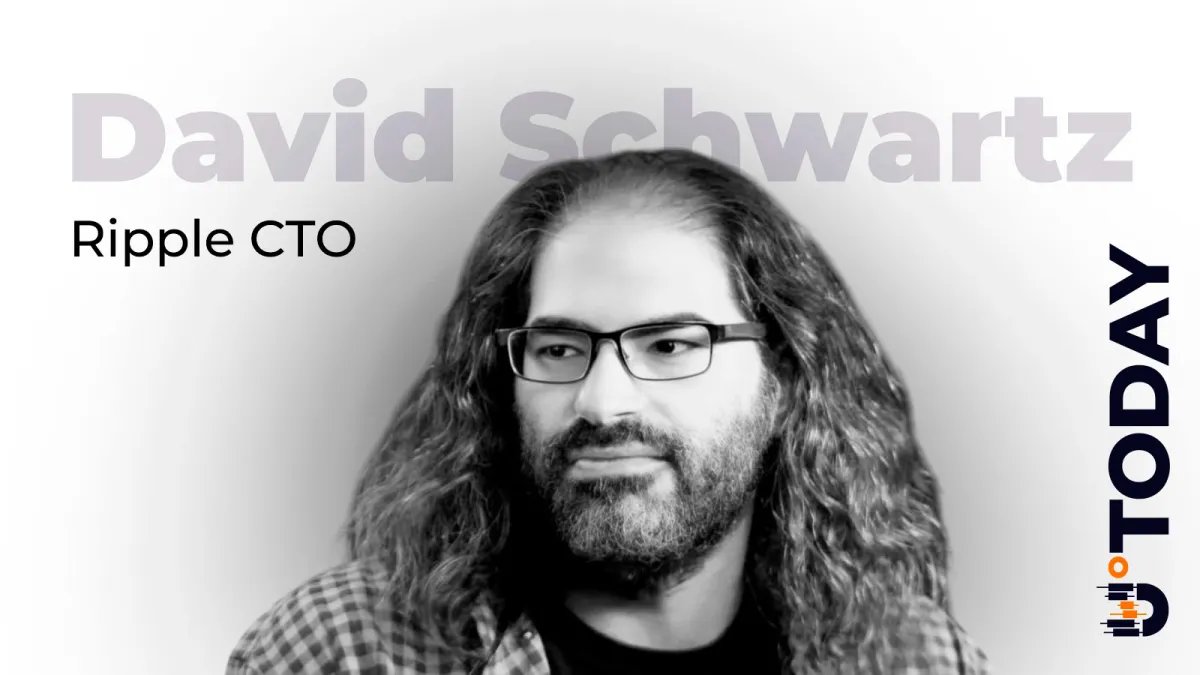
In a recent tweet, Ripple CTO David Schwartz indicated that his hub had been running on rippled v2.6.2 with no issues reported. This information from the Ripple CTO prompted a question from an X user who asked what the hub was for.
Responding to this question, Schwartz outlined three reasons why he chose to run a hub on XRP Ledger. First, he hadn't been running any XRPL infrastructure for a few years and thought it would be cool to start again.
Second, there had been some instances of increased latency between some validators, and he believes that one good megahub could meaningfully reduce network latency and network diameter and increase reliability.
Third, there were some localized issues with XRPL not performing as well as expected in some cases, and he needed a hub to test his theories for what might be causing these issues.
Ripple CTO explains XRP Ledger push
In August, Ripple CTO David Schwartz unveiled plans for a hub dedicated to UNL validators, other hubs and servers running XRPL applications. This, as a single server, would operate as a production service aiming for maximum uptime and reliability, relying on a single hub.
Data gathered from it to understand network behavior and performance, and no disruptive testing would be done unless there were very unusual circumstances justifying it.
The announcement of the hub and its launch came weeks before the Ripple CTO announced resignation from his role by the end of this year.
In September, Schwartz said he was stepping back from daily duties to become "CTO emeritus" while remaining active in the XRP community. Schwartz, a key architect of XRP Ledger, announced his transition to focus on family and personal projects related to XRP.
Schwartz said he wasn't going away from the XRP community as he spun up his XRP node while publishing its output data and researching other use cases for XRP besides what Ripple is focused on and more.
The Ripple CTO said he enjoys his current activity on XRP Ledger: "Getting my hands dirty, talking to builders, coding for the pure love of it and I’m really excited to get back to that."
 U.Today Editorial Team
 Dan Burgin
