
Disclaimer: The opinions expressed by our writers are their own and do not represent the views of U.Today. The financial and market information provided on U.Today is intended for informational purposes only. U.Today is not liable for any financial losses incurred while trading cryptocurrencies. Conduct your own research by contacting financial experts before making any investment decisions. We believe that all content is accurate as of the date of publication, but certain offers mentioned may no longer be available.

Following the apparent compromise of Input Output Group's YouTube channel, which started airing phony content featuring Cardano founder Charles Hoskinson, Cardano users are now at risk of an active scam.
Multi-vector attack
On September 18, Hoskinson directly warned on X, claiming that the IOG YouTube appears to have been compromised. The team is working with YouTube to remove the content and reset credentials, he said, advising users not to trust videos or click on links that appeared on the channel.
IOG issued a separate warning to users to refrain from interacting with its YouTube channel until further notice. A livestream featuring what appeared to be an AI-manipulated version of Hoskinson promoting a cryptocurrency giveaway was reportedly broadcast by the compromised channel.
Claiming that viewers could "double" their cryptocurrency holdings, the stream presented a QR code while posing as a Project Catalyst town hall. This is a traditional cryptocurrency giveaway scam with a risky twist: instead of using a clear impersonator account, it appeared through a reputable official channel.
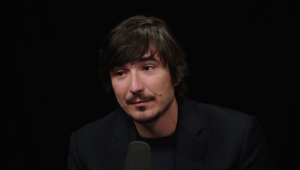
Fake Hoskinson livestreams and "send ADA, receive more ADA back" offers are specifically identified as scam formats by Cardano's own security guidelines. Sending cryptocurrency is not a prerequisite for legitimate giveaways.
No exceptions
As a result, users should consider all videos, QR codes, and external links currently connected to the affected channel to be potentially dangerous. IOG specifically cautioned against sending money, clicking links, or divulging personal information until channel control was restored.
The response beneath Hoskinson's warning also shows some community annoyance. "We already know not to trust you guys, don't worry, we had a tough lesson," is one of the most liked responses.
There is presently no evidence in the reports that the Cardano network was compromised. IOG's YouTube presence and the fraudulent content it disseminates are the subject of the security incident. The immediate risk arises from interacting with scam links, QR codes, phony giveaways, or requests to transfer money; users' ADA is not made vulnerable simply because they possess it.
 Dan Burgin
 U.Today Editorial Team
