
Disclaimer: The opinions expressed by our writers are their own and do not represent the views of U.Today. The financial and market information provided on U.Today is intended for informational purposes only. U.Today is not liable for any financial losses incurred while trading cryptocurrencies. Conduct your own research by contacting financial experts before making any investment decisions. We believe that all content is accurate as of the date of publication, but certain offers mentioned may no longer be available.

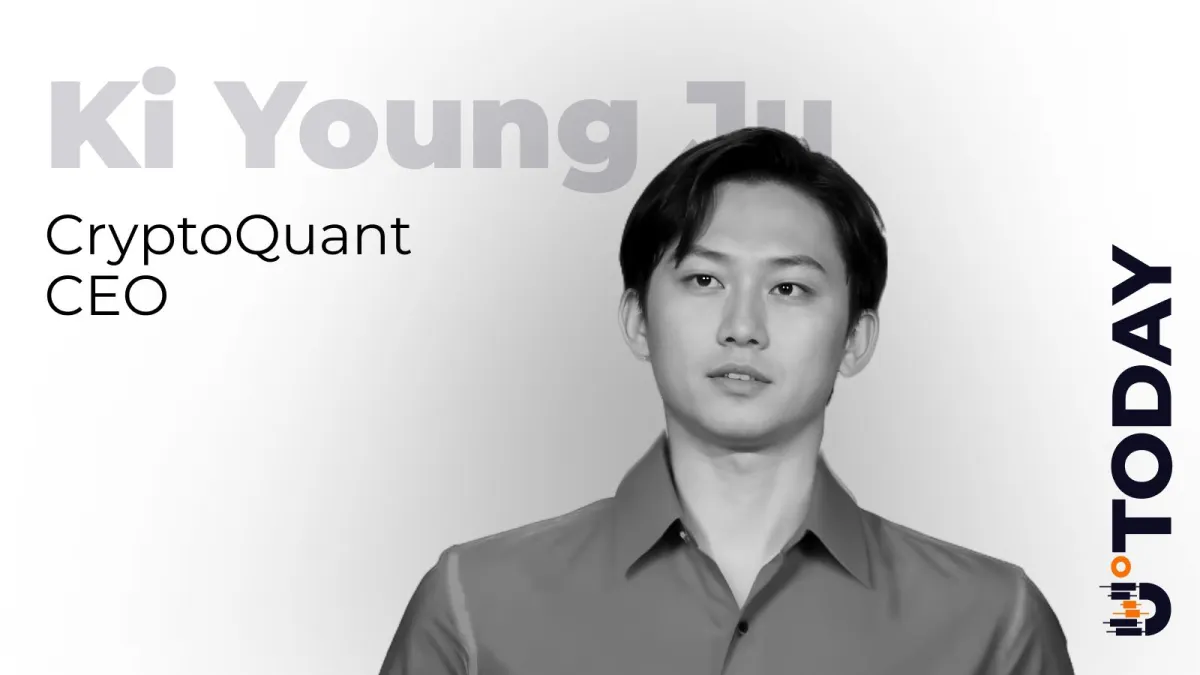
Ki Young Ju, the founder and chief executive officer at on-chain data aggregator CryptoQuant, has taken to social media to share his take on the possible risks that quantum computing may pose to Bitcoin. He particularly looked at OG addresses holding BTC, including one million Bitcoins owned by Satoshi and unmoved since 2010.
OG BTC addresses insecure against quantum hackers, Ju claims
On his X page, Ki Young Ju published an article dedicated to the risks of quantum computing that Bitcoin may suffer from. In the first sentence, he admitted that once this breakthrough becomes real and those new generation computers become widely spread, he would rather have Satoshi Nakamoto’s wallet frozen. He includes all other Bitcoin addresses of old types since, according to Ju, there will be a choice — those coins will either become frozen or lost to quantum hackers.
The main risk with quantum computers, argues Ju, is that “under certain conditions, sufficiently powerful quantum machines could derive a private key from an exposed public key.” Therefore, he believes, the Bitcoin protocol will have to undergo an upgrade that will make BTC secure in this respect. If wallet owners miss this upgrade, they will join the line of wallets at risk.
Currently, the expert says there are approximately 6.89 million Bitcoins vulnerable to quantum attacks. Those include one million Bitcoins in Satoshi Nakamoto’s wallet and 3.4 million Bitcoins that have been dormant for over a decade.
So far, attacks on Bitcoin are uneconomical. However, a cheap quantum attack may change the status quo, Ju reminds the crypto community.

What can be done to prevent future Bitcoin quantum damage
Ki Young Ju believes that social consensus in the Bitcoin community is rare and difficult to reach, referring to the block size debate and multiple Bitcoin forks that followed. He reckons that a decision to freeze dormant Bitcoins will face similar resistance.
Discussions of quantum risks to Bitcoin must begin now, the CryptoQuant CEO insists, since “technical fixes move fast. Social consensus does not.” Besides, he admits that full consensus may never be reached, and this increases the risks of new Bitcoin forks emerging, while the quantum technology will continue to improve and advance.
 U.Today Editorial Team
 Dan Burgin
