
Disclaimer: The opinions expressed by our writers are their own and do not represent the views of U.Today. The financial and market information provided on U.Today is intended for informational purposes only. U.Today is not liable for any financial losses incurred while trading cryptocurrencies. Conduct your own research by contacting financial experts before making any investment decisions. We believe that all content is accurate as of the date of publication, but certain offers mentioned may no longer be available.

As policymakers consider reforms that could bring digital assets closer to traditional financial products, the cryptocurrency market in Japan may be nearing a critical turning point.
Recent talks about Japan's regulatory framework suggest that the nation may eventually allow Bitcoin exchange-traded funds (ETFs), which many analysts think would greatly increase institutional participation. Ignoring the possible impact is challenging.
ETF effect on the cryptocurrency market
The introduction of spot Bitcoin ETFs in the U.S. changed the market by allowing investors to access Bitcoin through well-known brokerage accounts. With their approval, U.S.-based Bitcoin ETFs have amassed massive holdings; CryptoQuant data shows that their combined reserves, excluding Grayscale's GBTC, are getting close to one million BTC.
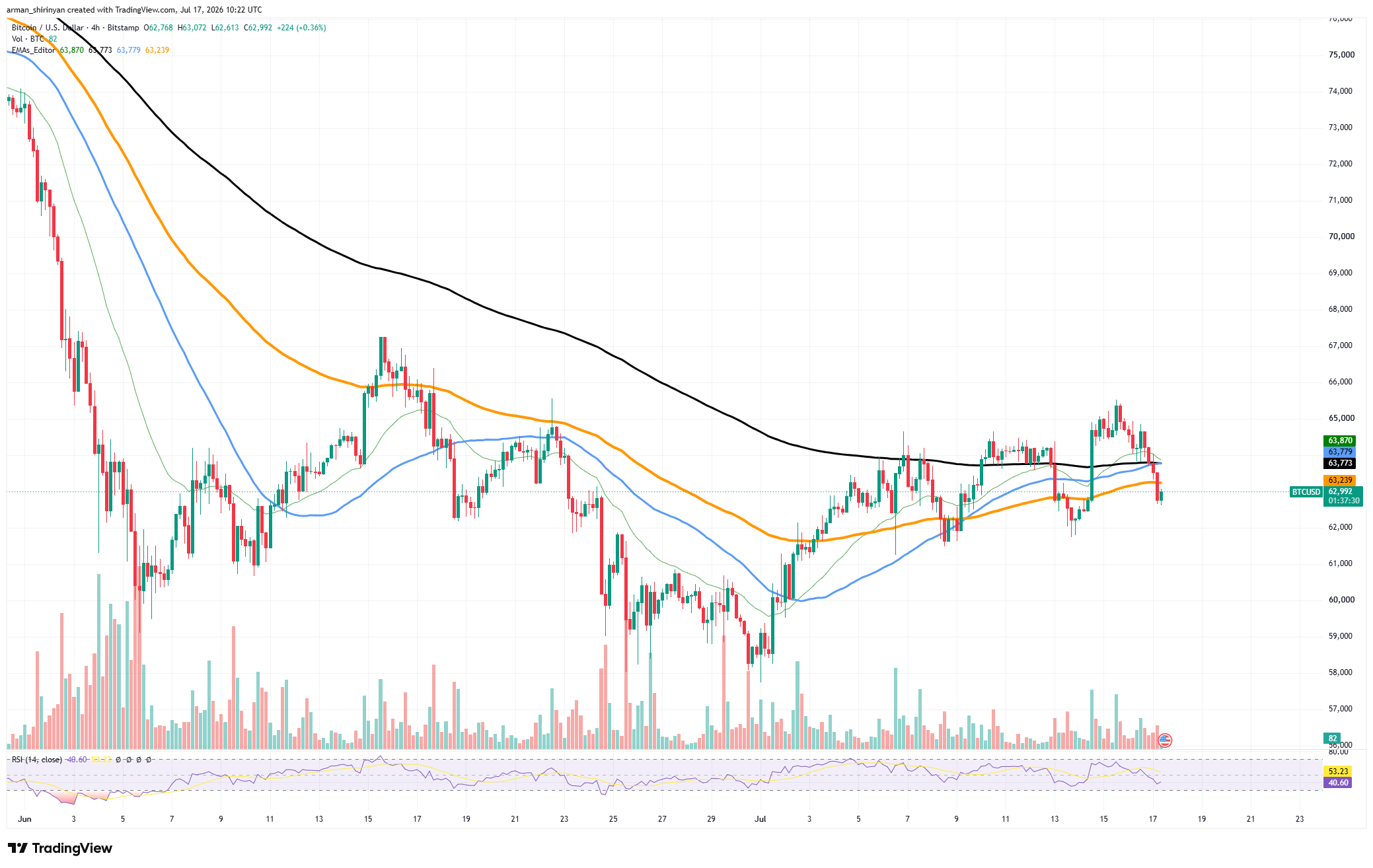
The scale of institutional demand created by regulated investment products is shown in the chart. The bulk of holdings are in BlackRock's IBIT alone, but assets are still being drawn to Fidelity's FBTC and a number of other funds. Total ETF holdings remain close to all-time highs, indicating ongoing investor interest, even though inflows have varied throughout 2026.
Japan is currently assessing the possibility of modernizing its own digital asset sector through comparable financial reforms. Market participants contend that pension funds, asset managers, and other institutional investors may be more inclined to enter the cryptocurrency market with greater confidence if there are clearer regulations and easier access to investment vehicles like ETFs.
Changing the shape of regulations
The timing might be advantageous. Traditional finance has progressively incorporated more digital assets, and many jurisdictions are moving from restrictive to structured regulatory oversight. Regulators are beginning to see cryptocurrencies as a developing asset class that requires specific regulations, rather than as a niche industry.

The ramifications might go beyond Bitcoin itself if Japan eventually adopts the strategy set by the U.S. and other significant financial hubs. More institutional involvement would probably boost market infrastructure, increase demand throughout the larger cryptocurrency ecosystem, and improve liquidity.
Regulatory approval is by no means assured, of course. In the past, especially following a number of high-profile exchange failures, Japanese authorities have favored cautious oversight of digital assets. Any shift to Bitcoin ETFs would probably require stringent compliance regulations and a thorough review.
However, the discussion itself is a reflection of a shifting context. What formerly seemed improbable is now being discussed candidly at the policy level. Japan's cryptocurrency market may enter a new stage, marked by increased institutional involvement and closer ties to international capital markets, if the country decides to pursue additional financial reform.
 U.Today Editorial Team
 Dan Burgin
