
Disclaimer: The opinions expressed by our writers are their own and do not represent the views of U.Today. The financial and market information provided on U.Today is intended for informational purposes only. U.Today is not liable for any financial losses incurred while trading cryptocurrencies. Conduct your own research by contacting financial experts before making any investment decisions. We believe that all content is accurate as of the date of publication, but certain offers mentioned may no longer be available.

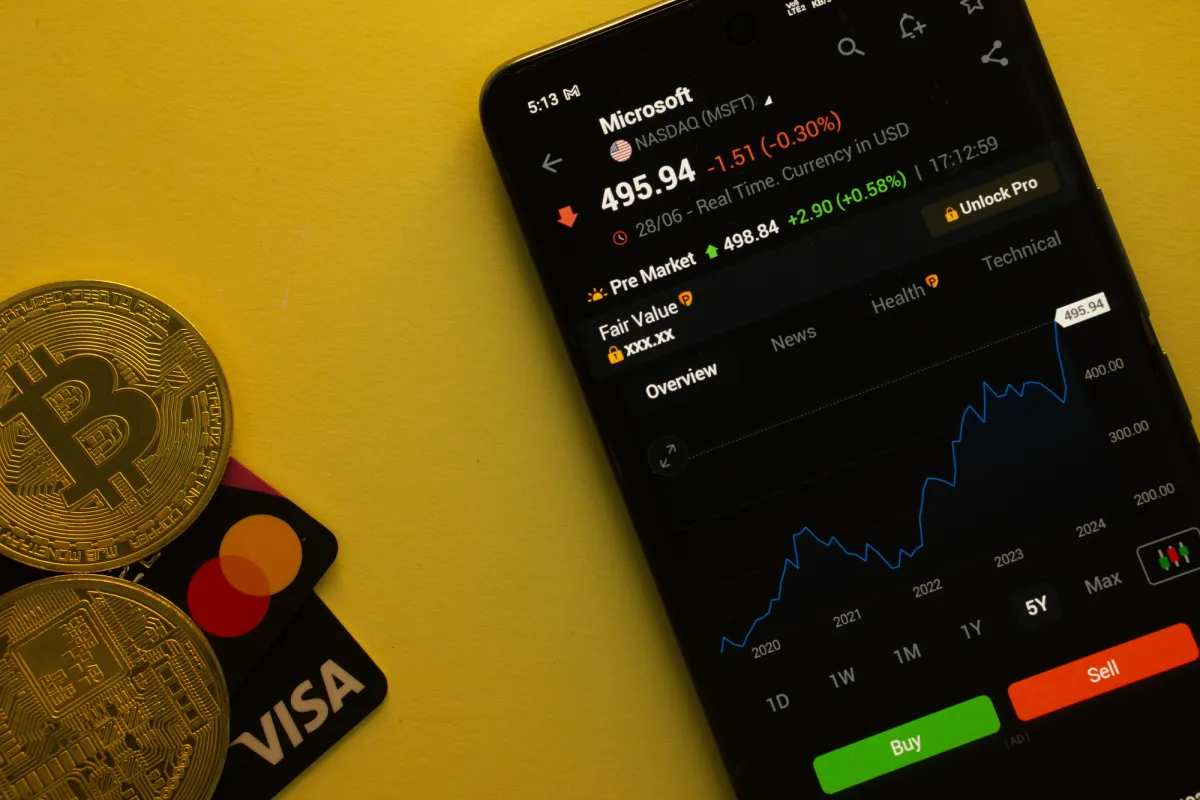
In a fresh round of listings, Binance has opened spot trading for tokenized stocks of Microsoft (MSFTB), Meta (METAB), Palantir (PLTRB), Lumentum (LITEB) and the Invesco QQQ Trust fund (QQQB) in pairs against USDT.
The listing of IT giants and others reflects liquidity flowing into the real-world asset (RWA) sector. According to Binance Research, the platform already controls 55.7% of global trading volume in RWA derivatives, while the turnover of tokenized stocks on crypto exchanges during peak volatility days exceeds that of traditional stock platforms by 4–21 times.
Why Binance is doubling down on tech stocks
This growth is also confirmed by the latest CoinGecko statistics, as in May 2026, trading volume in crypto RWA derivatives, led by Binance, MEXC and Hyperliquid, reached $347.17 billion, compared with $0.23 billion in January 2025. At the same time, traders prefer speculative instruments — the volume of TradFi perpetuals in 2026 was more than 8 times higher than standard RWA spot trading.

The tokenized stock segment itself broke the record for all of last year in just five months of 2026, rising from $831 million to $34 billion in May. Investor interest is concentrated around the IT sector: NVDA and TSLA lead the secondary market, while Micron Technology (MU) saw its turnover jump to $13.16 billion.
The Microsoft listing fully fits this trend, expanding the range of in-demand technology brands.

However, the launch of trading through bStocks contains several pitfalls for traders. Instruments from BTech Holdings Limited are classified only as depositary receipts. They are linked to exchange prices, but legally they do not give investors voting rights, rights to real dividends or direct ownership of corporate shares.
A bStocks buyer fully assumes the issuer's credit and operational risk, and if a Binance-affiliated entity runs into problems, investors will not be able to claim real Microsoft or Meta stocks on Wall Street.
 U.Today Editorial Team
 Dan Burgin
