
Disclaimer: The opinions expressed by our writers are their own and do not represent the views of U.Today. The financial and market information provided on U.Today is intended for informational purposes only. U.Today is not liable for any financial losses incurred while trading cryptocurrencies. Conduct your own research by contacting financial experts before making any investment decisions. We believe that all content is accurate as of the date of publication, but certain offers mentioned may no longer be available.

Bitcoin is entering a phase that looks increasingly different from every previous cycle. Price volatility still dominates the headlines, but the real story is unfolding at the institutional level. Morgan Stanley’s move to launch its own Bitcoin ETF, described by Bitwise advisor Jeff Park as "the most bullish thing ever," highlights a deeper structural shift that many investors are missing.
Better late than never
The first overlooked point is market size. Morgan Stanley is not late to Bitcoin by accident. Launching a vanilla ETF years after BlackRock’s IBIT captured liquidity dominance would normally make little sense. Yet Morgan Stanley is doing it anyway. That decision signals confidence in a much larger total addressable market than even crypto-native professionals anticipated.
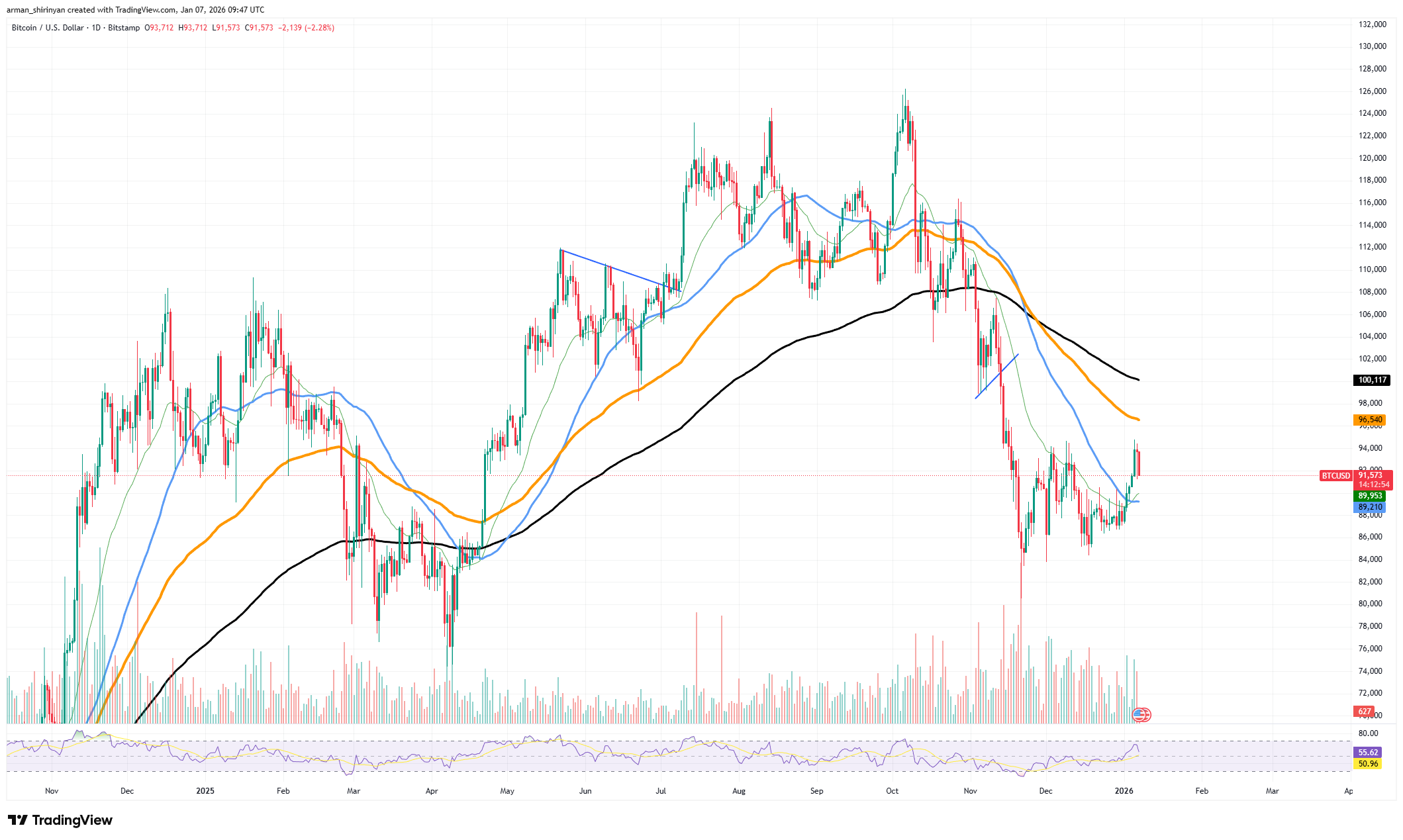
Through its proprietary wealth channels, Morgan Stanley appears to see substantial untapped demand among clients who have not yet entered the Bitcoin market. In other words, despite record-breaking ETF growth so far, the market may still be early.
Second, Bitcoin has crossed an important social threshold. Gold has existed as a financial asset for centuries, yet branded gold ETFs are rare. Bitcoin, by contrast, is becoming a branded product.
Bitcoin exposure is not one-sided
For large financial institutions, offering a Bitcoin ETF is signaling relevance. It communicates innovation, appeals to younger and ultra-high-net-worth investors and helps firms position themselves as forward-looking. Even if an ETF does not become a blockbuster, the reputational and strategic value can be significant.

Third, this is fundamentally a defensive move. Distribution controls the customer relationship. By launching its own ETF, Morgan Stanley avoids outsourcing economic value to third-party platforms. From a platform economics perspective, this move was inevitable. Advisors defaulting to external products would mean long-term fee leakage and loss of strategic control.
For Bitcoin itself, this backdrop is constructive. Institutional adoption is becoming embedded, not optional. While short-term price fluctuations remain likely, the long-term trajectory is increasingly supported by distribution power, social relevance and expanding access.
 Dan Burgin
 U.Today Editorial Team
