
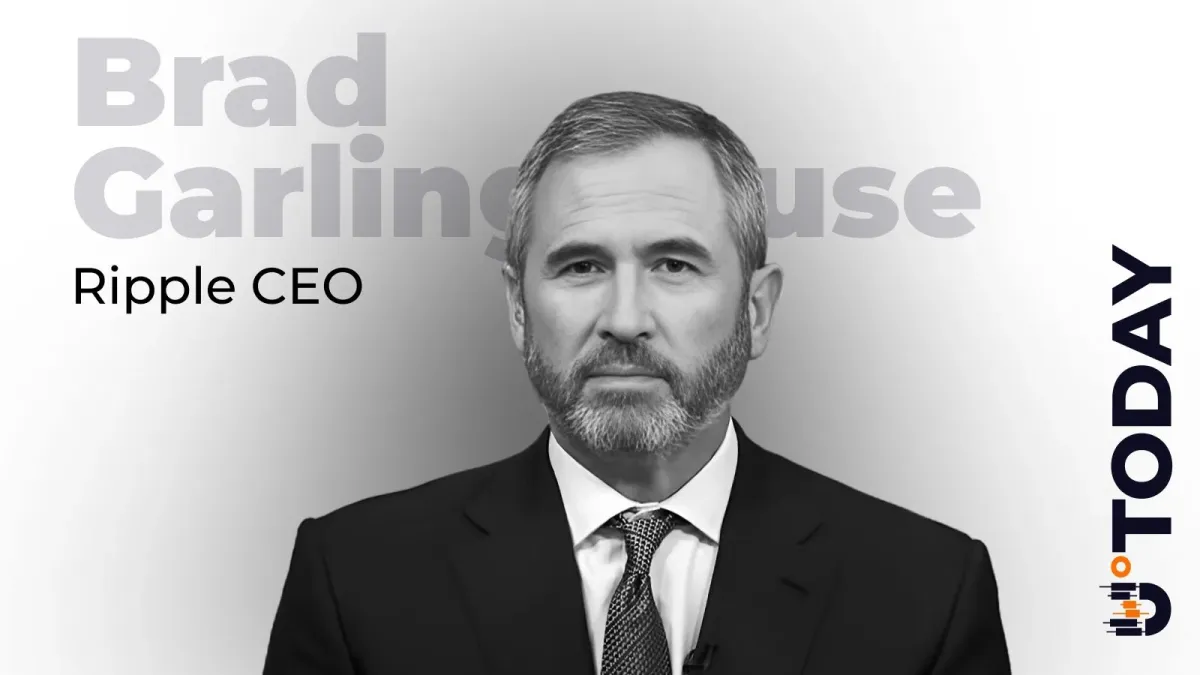

The long-simmering feud between Ripple CEO Brad Garlinghouse and Strategy Executive Chairman Michael Saylor has flared up once again.
In a new social media post, Garlinghouse fired a fresh shot at the Bitcoin maximalists' aggressive accumulation tactics.
He quoted a segment from CNBC's "Squawk on the Street", stating: "Financial engineering doesn't drive long-term value. Utility does."
Garlinghouse doubled down on his televised appearance, during which he explicitly accused Saylor of hurting the overall market.
Utility or financial engineering?
Garlinghouse argued that Strategy's heavy reliance on issuing preferred securities to buy more Bitcoin amounts to "financial engineering," not real-world technological utility.
The Ripple executive pointed directly to the market performance of Strategy's preferred shares, specifically STRC. As reported by U.Today, STRC shares recently traded roughly 25% below their $100 face value.
According to Garlinghouse, this steep discount is a "serious negative signal" from the market. A highly leveraged accumulation strategy can compound negatively during downturns, which is the same point that was recently made by crypto nemesis Peter Schiff.
Garlinghouse maintains that the long-term value of digital assets will naturally flow toward those that solve real-world problems.
A history of animosity
The friction between the two prominent crypto executives is now new. In 2022, Saylor famously called XRP an "unregistered security" and actively urged the U.S. Securities and Exchange Commission (SEC) to shut down XRP alongside other altcoins.
Though Saylor recently surprised the market by expressing support for a U.S. multi-token cryptocurrency reserve that might tentatively include XRP, the clash seemingly remains unresolved.
For Garlinghouse, Strategy's current market woes present an opportunity to vindicate Ripple's focus on utility.
 U.Today Editorial Team
 Dan Burgin
