
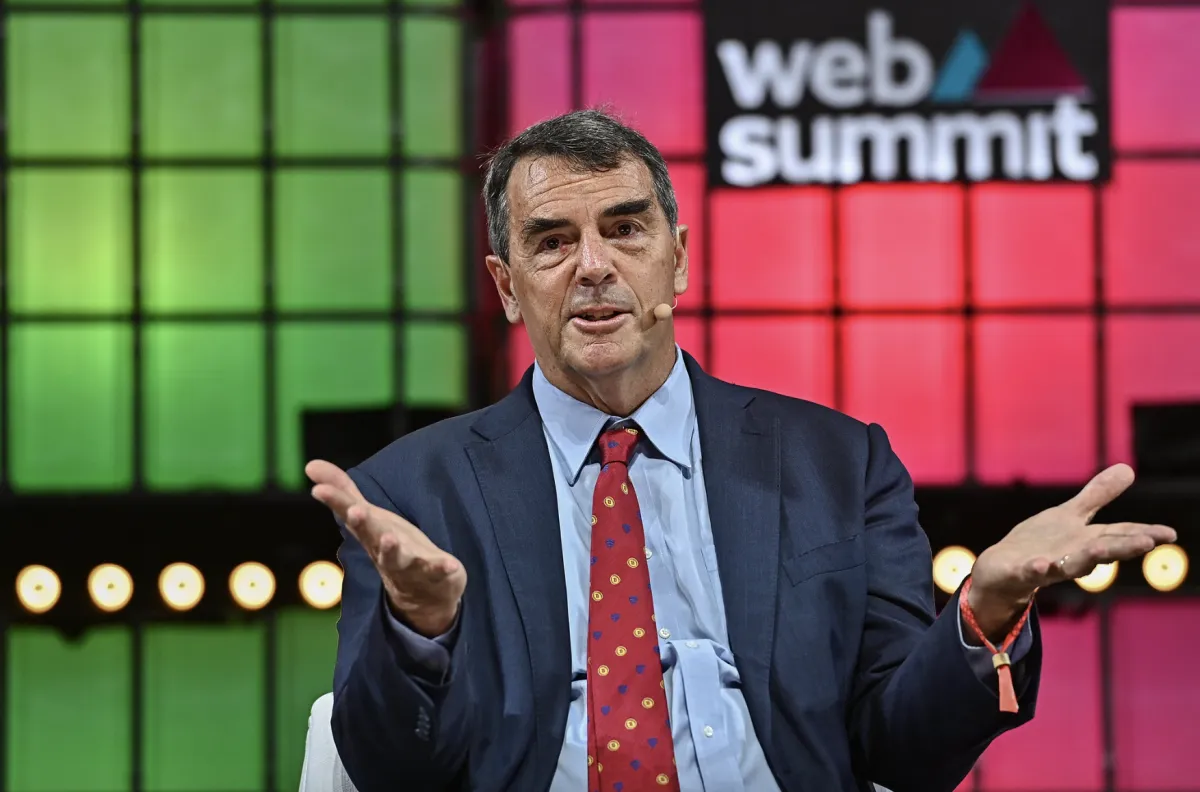

Venture capitalist Tim Draper has downplayed the potential threat quantum computing poses to Bitcoin. He has stated that traditional fiat systems and banks face a far greater, more immediate risk.
Banks to fall first?
The billionaire investor has stated that his Bitcoin holdings are "more secure" than fiat dollars kept in traditional banking institutions.
Draper has predicted that quantum will hack the banks long before it can touch the blockchain".
He further argued that the Bitcoin network could undergo a hard fork to roll back to the last secure block.
This is technically possible, but this extreme measure would require widespread consensus among miners and node operators.
A journey of enduring optimism
Draper's journey with Bitcoin began when the asset was trading around $4, though a hardware manufacturer issue delayed his actual mining until the price hit $30. He later lost his entire stash in the infamous Mt. Gox exchange collapse. Unfazed, Draper famously purchased nearly 30,000 confiscated Bitcoins at a U.S. Marshals auctioned in 2014 for roughly $632 per coin.
Draper has been vocal about Bitcoin eclipsing the U.S. dollar. He envisions a future where taxes are handled through smart contracts and companies manage treasuries entirely in Bitcoin.
The elusive $250,000 prediction
Draper is widely known for his enduring and oft-repeated prediction that Bitcoin will reach $250,000. He originally made the forecast in 2018 with a target deadline of 2022, arguing that mass adoption would drive the price explosion. When the 2022 bear market and the FTX collapse derailed that timeline, Draper extended his target to 2025, blaming "heavy-handed" U.S. regulation for stifling innovation.
As of early 2026, Draper has doubled down once again, predicting that $250,000 will be reached within the next 18 months.
The quantum threat
Despite Draper's confidence, the current state of quantum risks facing Bitcoin remains a deeply divisive technical debate. A March 2026 whitepaper by Google Quantum AI dramatically lowered the estimated barrier to entry, concluding that it would require fewer than 500,000 physical qubits to crack ECDSA-256, which is a 20-fold reduction from 2019 estimates.
Proposals like BIP 360 (Pay-to-Merkle-Root) have been introduced to create quantum-resistant address formats.
 U.Today Editorial Team
 Dan Burgin
