
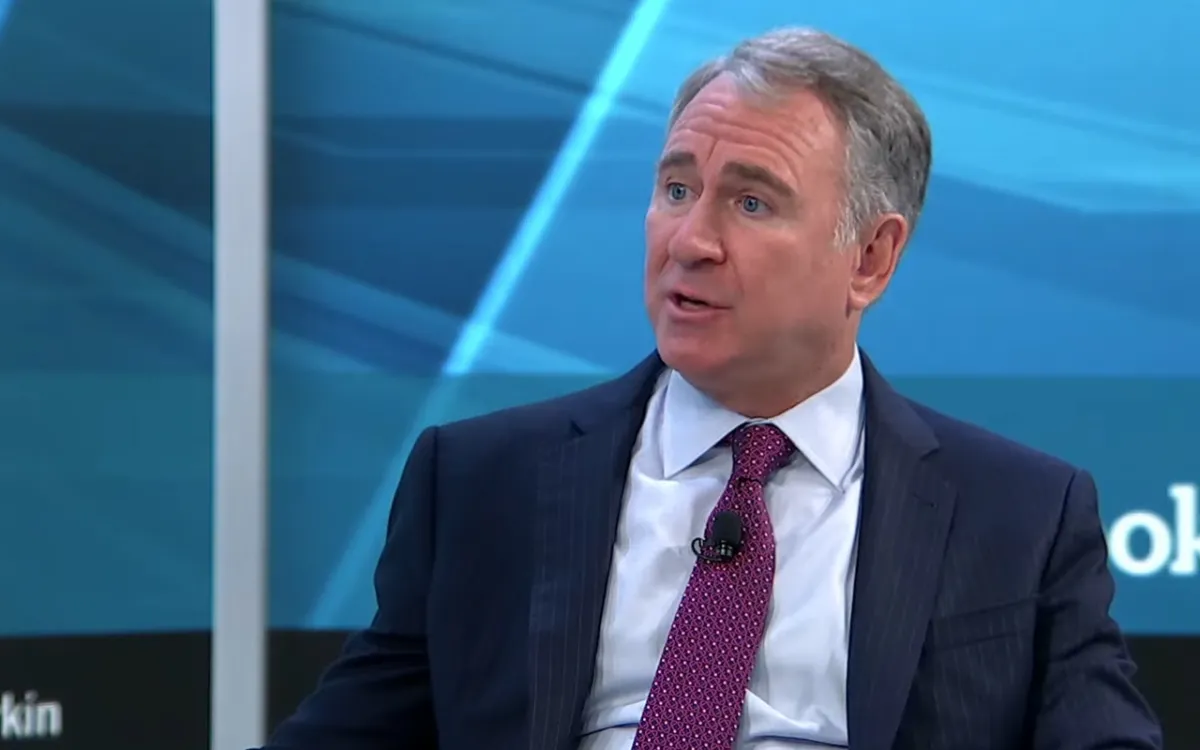

Powerful hedge fund Citadel Securities has voiced strong opposition to broad decentralized finance (DeFi), particularly for tokenized U.S. equities, in a letter to the SEC that provides feedback on proposed for exemptive relief.
Its stance has attracted strong backlash from some crypto industry voices.
Not decentralized?
Citadel argues that many DeFi platforms effectively operate as exchanges or broker-dealers, despite claims of decentralization.
There are identifiable intermediaries (developers, governance groups, and so on) who profit from transactions and influence order execution.
Users interact with smart contracts that function like binding agreements, just as orders on a traditional exchange do.
If DeFi trading of tokenized equities were exempt from SEC rules, this would lead to transparency gaps such as fees and conflicts of interest. There are also surveillance and compliance gaps, operational risks as well as custody issues.
Tokenized securities must be treated like traditional equities, Citadel argues.
At the same time, the hedge fund has stressed that it is not opposing innovation.
“However, it is important not to override key investor protections when trading tokenized securities,” it said.
Gensler’s playbook?
Some crypto industry commentators have accused Citadel of using the playbook of former SEC Chair Gary Gensler.
“Who ever thought Citadel would be against innovation that removes predatory, rent-seeking intermediaries from the financial system? Oh, right, literally every single person in crypto,” Variant CLO Jake Chervinsky quipped.
Notably, Citadel recently lost two of their general counsels to crypto companies.
In October, Citadel CEO Ken Griffin recently disclosed a significant stake in DeFi Development Corp, which is a Solana treasury company.
 Dan Burgin
 U.Today Editorial Team
