

The main question now is not how deep the correction may go, but rather when demand could meaningfully return, according to a recent review of the state of cryptocurrency markets, conducted by Binance Research during a prolonged risk-off period. The report presents the current state of affairs as a macro-driven reset, as opposed to a disintegration of the long-term structural narrative of cryptocurrency.
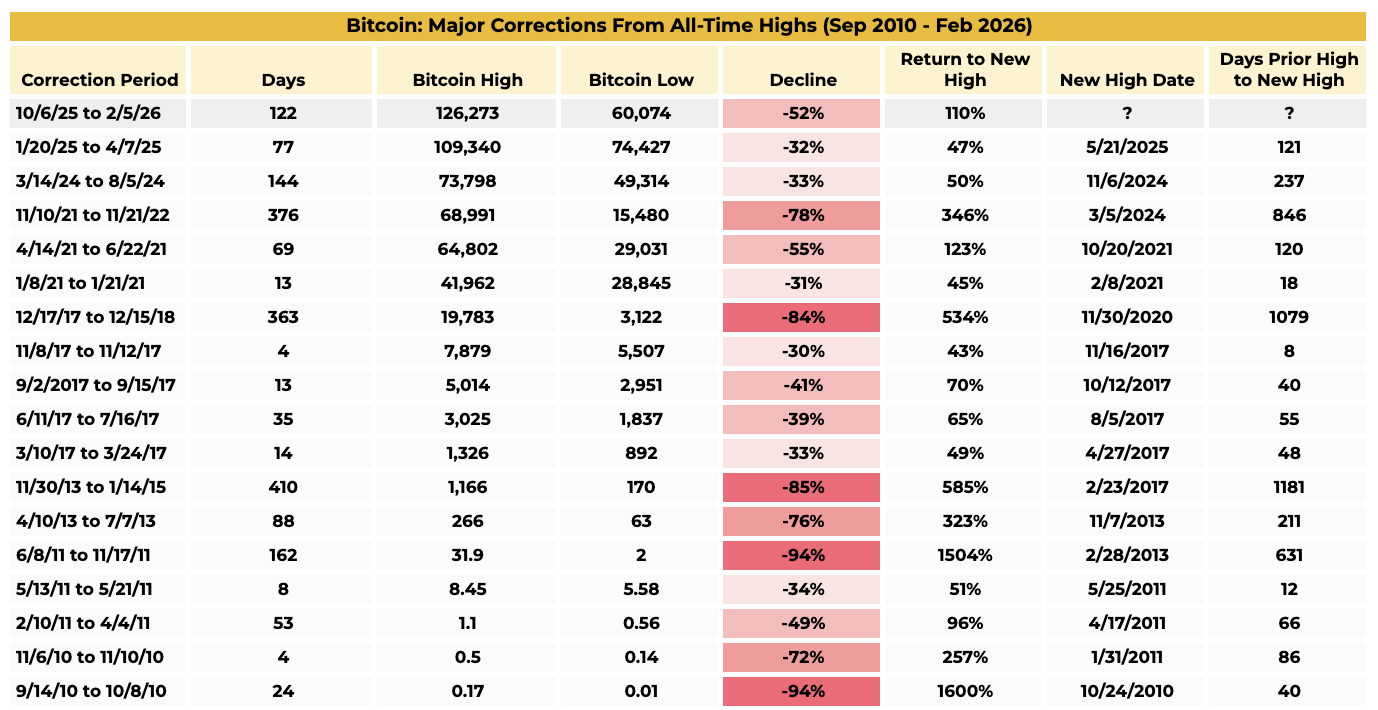
The price of Bitcoin has dropped about half from its peak in October 2025, returning to levels close to $60,000 before leveling off. Although similar drawdowns have happened frequently in past cycles, the market today is different because of more established liquidity channels and deeper institutional participation. Since speculative capital is still winding down, investors are shifting their investments toward bigger, supposedly safer assets, which is why altcoins have underperformed more severely.
Macro conditions shape up market
Price action is still primarily shaped by macro conditions. Employment data strengthened the Fed's cautious approach by lowering expectations of impending rate cuts. The desire for risky assets has also been curbed by ongoing geopolitical unrest and policy uncertainty. As a result of their historical sensitivity to global liquidity conditions, cryptocurrency markets have encountered persistent challenges.
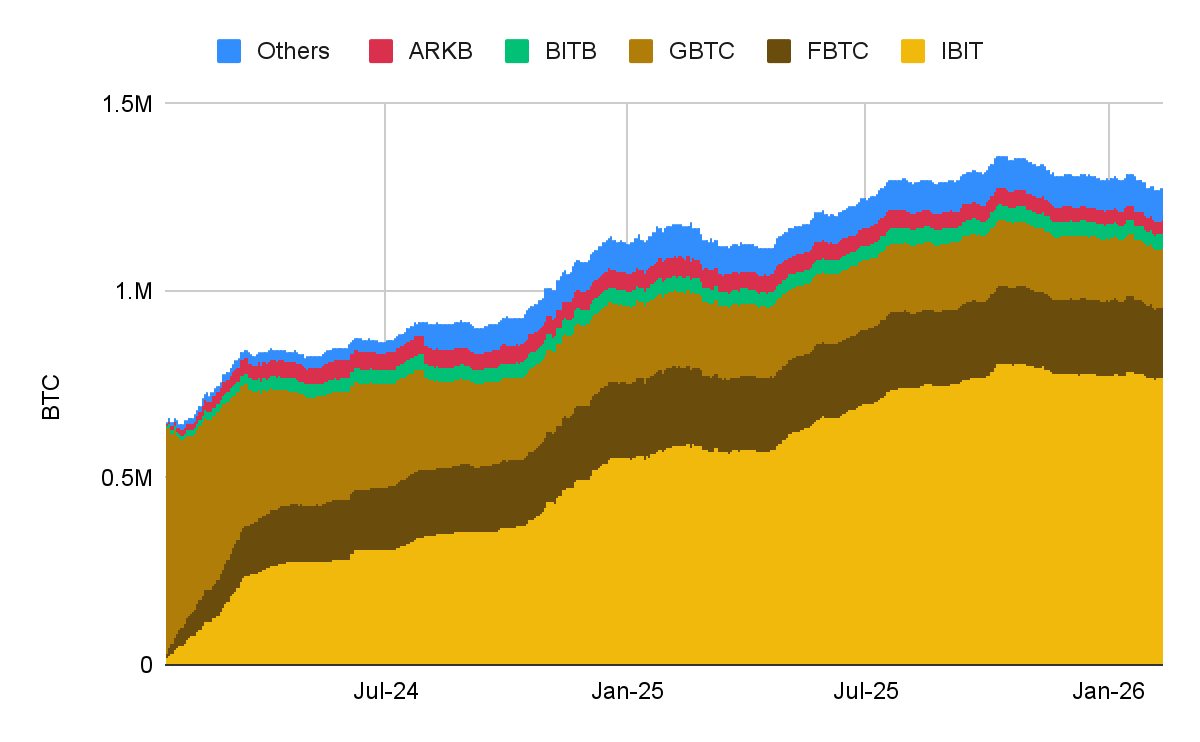
Binance Research points to a number of signs of underlying resilience in spite of price weakness. In contrast to the price, the assets under management of the spot Bitcoin ETF have only slightly decreased, indicating that investors are viewing these allocations as long-term investments rather than speculative transactions. The supply of stablecoins is still close to all-time highs, indicating that capital has mostly remained in on-chain ecosystems rather than leaving them completely.
RWAs enter scene
Additionally, real-world asset tokenization is still attracting investment. In tokenized U.S. Commodities, yield products and treasuries are growing, providing defensive exposure and bolstering blockchain's function in financial infrastructure.
The most noteworthy development in the report is BlackRock's decision to use Uniswap's infrastructure to settle trades for its tokenized Treasury fund, which is a significant step toward institutional use of decentralized finance rails. When reliable infrastructure and regulatory alignment are in place, institutional liquidity is ready to participate, according to Binance Research.
It is anticipated that volatility will continue to be high in the future, as markets wait for more precise signals from monetary policy and macro data. Even though prices have dropped, Binance Research finds that fundamental advancements in tokenization, DeFi and institutional adoption are still being made, setting up the industry for a possible comeback when liquidity conditions improve.
 U.Today Editorial Team
 Dan Burgin
