
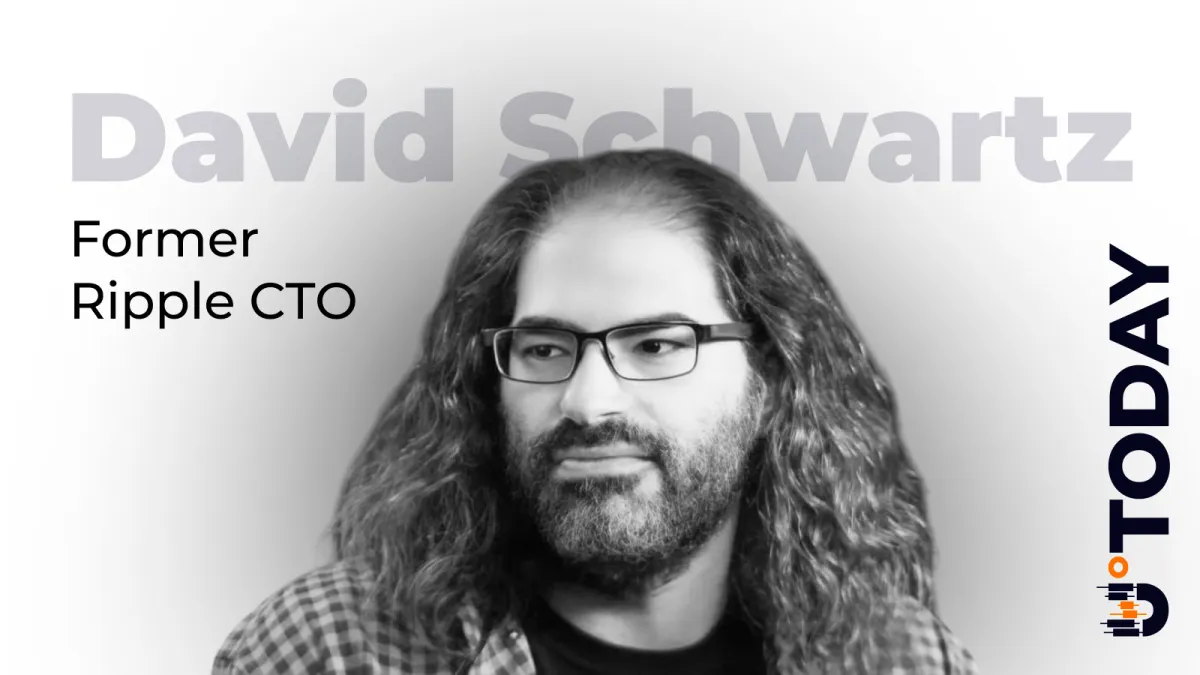

Ripple Chief Technology Officer David Schwartz has pushed back against the idea of artificially subsidizing the cost of XRP to promote institutional adoption.
On the X social media, the Ripple executive explained why offering "fake discounts" to banks is a dangerous long-term business strategy that the company actively avoids.
The pitch for artificial incentives
A community member on X recently proposed a new strategy to incentivize the use of the digital asset.
The user has pitched the idea of making software subscriptions slightly cheaper for institutions that explicitly choose to facilitate their transactions with XRP.
Schwartz acknowledged that the leadership team has explored this. However, he has rejected the premise of manipulating prices just to force adoption.

The Uber comparison
In order to illustrate his point, the Ripple CTO compared artificial crypto incentives to the early loss-making strategies employed by major tech startups like Uber.
Subsidizing costs can quickly build a user base, but Schwartz warned that it often creates a fragile business model.
"One of the things I've tried to always make sure Ripple wasn't doing was building up a growing business by paying people to do things that don't make sense, but that people will do for money. For example, if I were CEO of Uber over the past decade, my number one concern was that people were using Uber because we were losing money…"
Removing roadblocks
Schwartz has stressed that Ripple’s main goal is to strip away the friction associated with cross-border payments. This will allow the technology's native utility to speak for itself.
According to the executive, the company will only use financial incentives under very logical conditions.
History of paid adoption
Still, Ripple has historically paid companies to use its technology and the XRP token.
Cross-border payments giant MoneyGram is probably the most famous example. Ripple was heavily subsidizing the partnership with a $50 million initial equity investment and ongoing financial incentives to use the platform ("market development fees").
 U.Today Editorial Team
 Dan Burgin
