
Disclaimer: The opinions expressed by our writers are their own and do not represent the views of U.Today. The financial and market information provided on U.Today is intended for informational purposes only. U.Today is not liable for any financial losses incurred while trading cryptocurrencies. Conduct your own research by contacting financial experts before making any investment decisions. We believe that all content is accurate as of the date of publication, but certain offers mentioned may no longer be available.

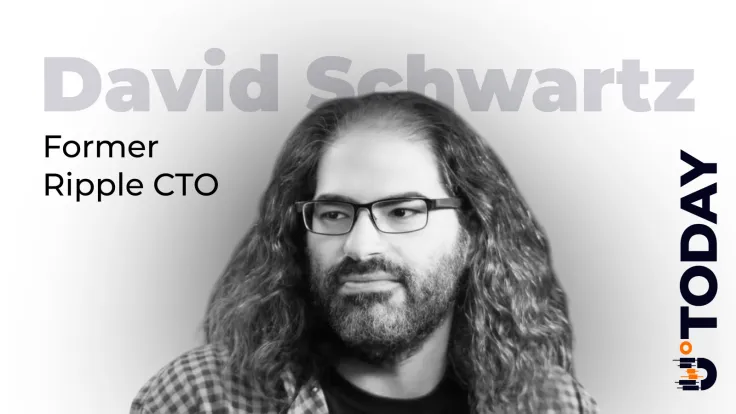
David Schwartz, CTO Emeritus of Ripple, issued a direct rebuttal to popular conspiracy theories about "secret plans" by the U.S. government regarding XRP. The situation around XRP has been characterized since 2013 by large-scale theories claiming the token would become the world's reserve currency and connect all banks.
Amid expectations of the final vote on the CLARITY Act and the recent launch of Ripple's national trust bank status, these rumors have resurfaced with renewed intensity.
What's really behind Ripple's NDAs?
Schwartz therefore stated clearly that no secret agreements with the government or large hidden plans for XRP within central banks exist, classifying such claims as a "conspiracy theory". Yes, Ripple does have hundreds of secrets, he says, but these are standard non-disclosure agreements required by banking partners to protect commercial interests.
Moreover, Ripple's relationships with banks such as Deutsche Bank and Société Générale are public and transparent, but they use RippleNet infrastructure primarily for messaging or settlements in fiat and stablecoins such as RLUSD, not XRP.
Schwartz also denied rumors about "secret contracts" for pre-allocated XRP from Ripple's escrow accounts, reminding investors that the escrow system is fully transparent and traceable on-chain. Investors whose strategies rely on the assumption that governments are secretly working with Ripple on some hidden plan that will trigger explosive XRP growth are fooling themselves, as this foundation does not reflect reality, Schwartz concluded.

It appears Ripple is seriously concerned about the quality of its investor base. Schwartz explicitly stated that investing based on emotions and searching for "hidden signals" in meeting protocols leads to losses.
Instead of supporting hype, the company is choosing the image of a transparent technology provider. For the 2026 market, where institutions value predictability over speculative spikes, this stance represents an attempt to mature and distance itself from the reputation of a "meme coin for conspiracy believers".
 Dan Burgin
 U.Today Editorial Team
