

On May 15, Jerome Powell's tenure as chair of the Federal Reserve came to an end, bringing to a close one of the most significant periods of monetary policy in the history of cryptocurrency.
Powell's effect in the office
Powell took office as Fed chair on February 5, 2018, and on May 23, 2022, he took office for a second four-year term. Powell's legacy in the cryptocurrency community was never one of overt support or animosity. His actual influence was felt through liquidity.
The Fed continued to tighten policy and reduce its balance sheet in 2018, contributing to the harsh risk-off environment. After the 2017 bubble, Bitcoin was already weaker going into Powell's first year, and it spent most of 2018 plummeting from close to $20,000 to about $3,000.
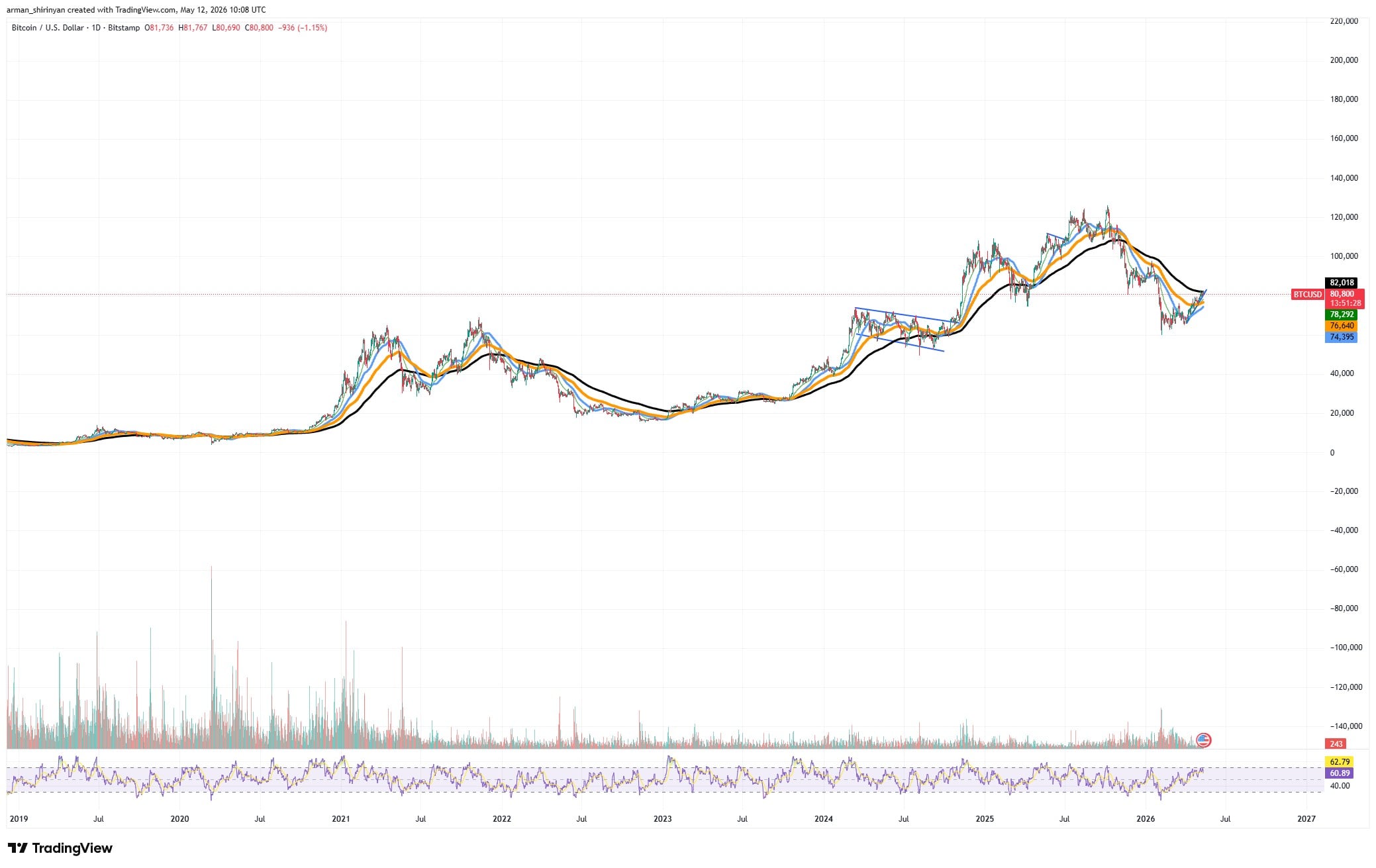
Then came 2020. Powell's Fed lowered interest rates to almost zero and provided significant liquidity support during the crisis. Everything changed as a result. As cheap money, stimulus, institutional demand, and speculative appetite poured into risk assets, Bitcoin rose from a panic low below $4,000 in March 2020 to over $60,000 in 2021.
Leading the charge
Powell, however, also came to represent the turnaround. The Fed began one of the fastest rate-hiking cycles in contemporary American history in 2022 to combat inflation. Cryptocurrency paid the price. After tightening collided with excessive leverage, leading to the collapse of Terra, Three Arrows Capital, Celsius, and FTX, Bitcoin dropped from its 2021 peak near $69,000 to less than $16,000.
Powell generally viewed cryptocurrency as something that required regulation, rather than outright prohibition. In January, the Fed published its CBDC discussion paper. Powell stated that the central bank wanted a public discussion on the advantages and disadvantages of a digital dollar. Subsequently, the Fed emphasized that it had not decided on a CBDC and that it would require congressional approval before issuing one.

Powell's main concern with cryptocurrency was stablecoins. The Fed has consistently promoted the notion that comparable financial activity should be subject to comparable regulations, particularly when cryptocurrency products begin to resemble money-market instruments or bank deposits.
Powell's chairmanship ends with Bitcoin at about $80,000, much higher than it was when he took office. However, the journey was turbulent, with a crash, a boom in liquidity, an inflation shock, deleveraging, an ETF-driven recovery, and a resurgence of macro sensitivity. His primary contribution to cryptocurrency was straightforward: he demonstrated that Bitcoin functions more like a high-beta liquidity instrument than an isolated rebel asset.
 U.Today Editorial Team
 Dan Burgin
