
Disclaimer: The opinions expressed by our writers are their own and do not represent the views of U.Today. The financial and market information provided on U.Today is intended for informational purposes only. U.Today is not liable for any financial losses incurred while trading cryptocurrencies. Conduct your own research by contacting financial experts before making any investment decisions. We believe that all content is accurate as of the date of publication, but certain offers mentioned may no longer be available.

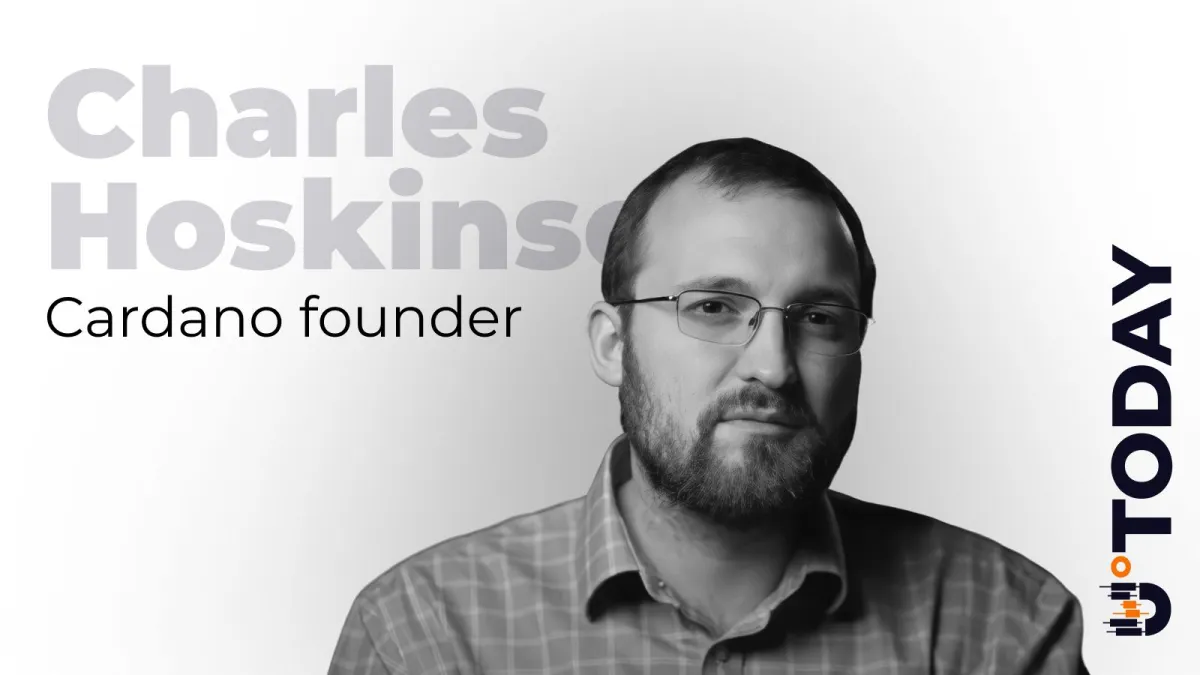
A heated confrontation is continuing around Bitcoin, specifically Satoshi’s coins and the quantum threat looming over them. A new round of this confrontation unfolded between Charles Hoskinson and Bitcoin ideologues. The trigger was the discussion of BIP-361, a radical new proposal for protecting the network from quantum computers which, according to Hoskinson, turns Bitcoin into “shitcoin land.”
Presented earlier this week by Jameson Lopp and a group of researchers, BIP-361 implies strict timelines for abandoning old types of addresses vulnerable to quantum attacks: in three years, any incoming transactions to old addresses are banned, and five years after the proposal’s adoption, old digital signatures are made invalid.
Why Hoskinson thinks Bitcoin's quantum soft fork is legalized theft
Hoskinson, in his latest public airing on X, predictably lashed out at this decision with criticism. Despite Lopp’s thesis that a recovery mechanism and support for frozen wallets are provided, and the fact that if Satoshi himself does not move his coins, they are already effectively dead, Hoskinson believes that even with these reservations, 1.7 million BTC remain at risk.
He emphasized that forced invalidation of old signatures is a direct violation of the principles on which Bitcoin was built and sarcastically wished "good luck" in stealing Satoshi's coins to BIP-361 supporters.

According to the Cardano founder, Bitcoin maximalists have cornered themselves. The network has two bad paths: either allow quantum hackers to steal the coins, or steal them themselves through a soft fork, making them inaccessible to their owners.
Some may argue that it is unlikely that Google would sell quantum computing for hacking. Hoskinson also considers it unlikely. However, a Chinese quantum computer that North Korea could rent in 2033, he argues, would show different results.
 Dan Burgin
 U.Today Editorial Team
