
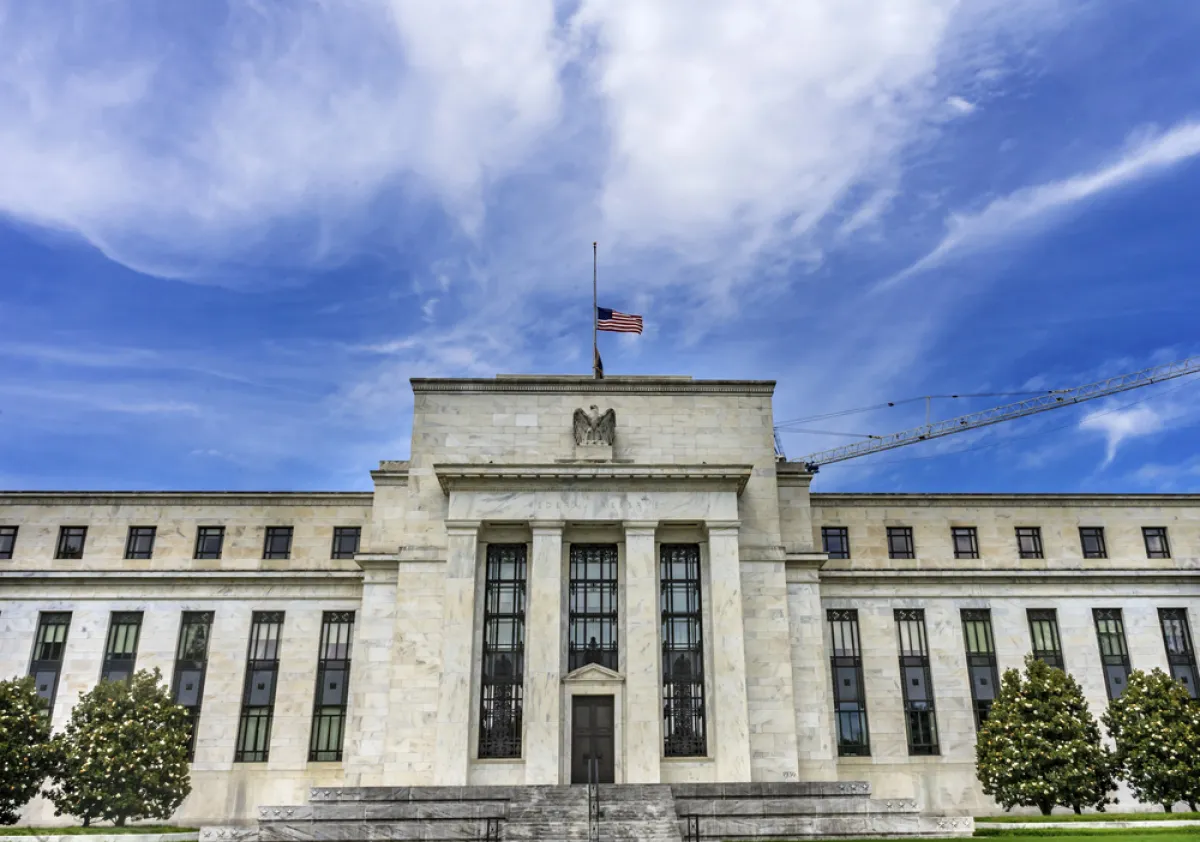

The Federal Reserve unanimously voted to raise its benchmark interest rate by 25 basis points, bringing the new target range to 3.75% to 4.00%.
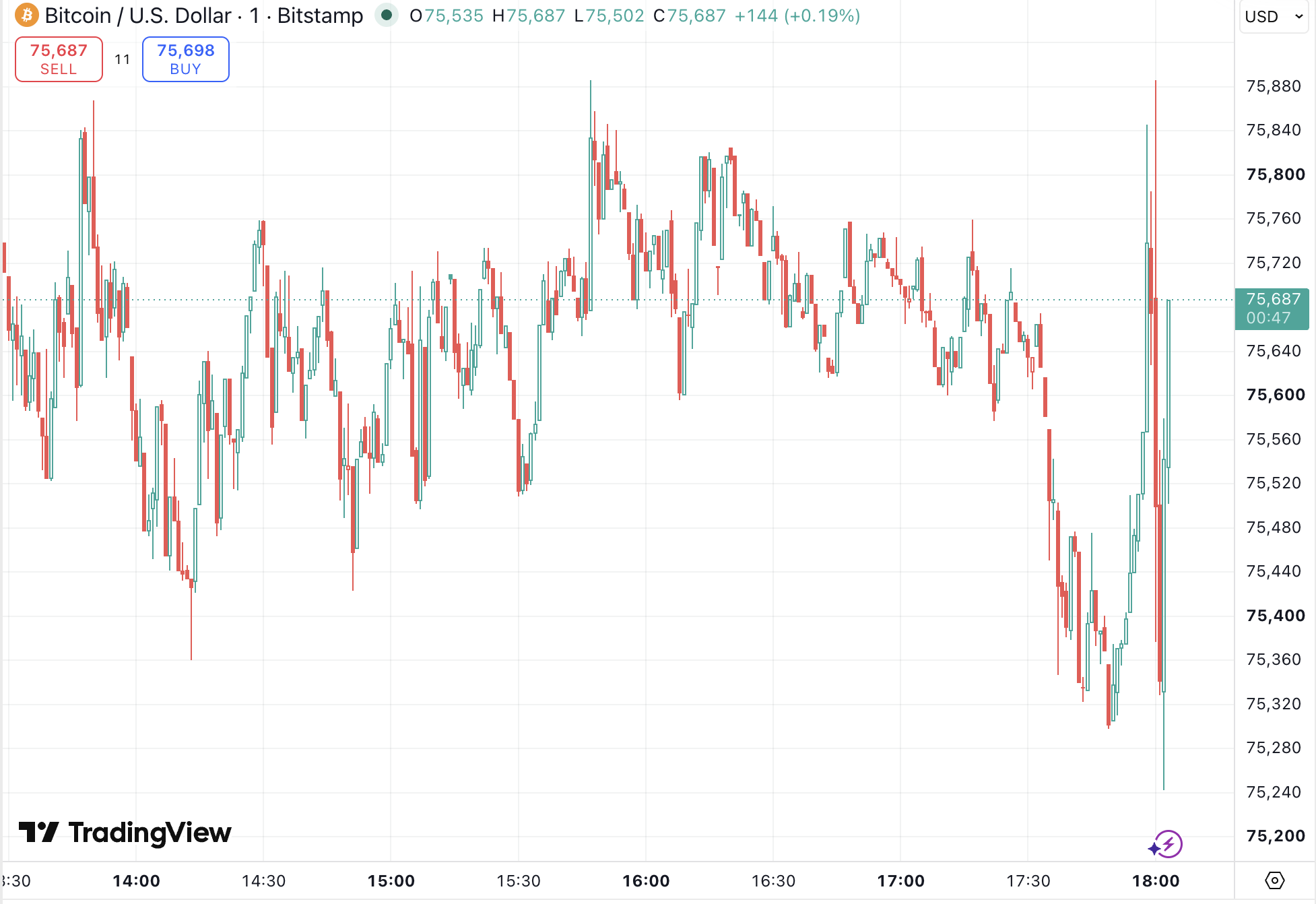
Bitcoin dropped to an intraday low of $75,242 earlier today on the Bitstamp exchange.
According to the central bank, this move is specifically designed to support a timelier return to their long-standing two percent inflation target. Furthermore, the Federal Open Market Committee's latest median forecast indicates that policymakers anticipate one additional 25-basis-point rate hike before the end of 2026 to ensure those economic pressures are fully brought under control.
A major headwind
The central bank's move to tighten the economy is a major headwind for digital assets, Bitcoin was already trading under significant pressure following the disappointing failure of the Digital Asset Market Clarity Act in Washington.
The Federal Reserve's decision to abandon its long-standing pause on rate hikes stems from a convergence of stubborn economic pressures. Chairman Kevin Warsh and the committee have watched inflation remain persistently above their two percent target for almost half a decade.

A significant surge in wholesale energy costs and producer prices is considered to be one of the main reasons behind the decision. Furthermore, consumer prices are proving difficult to cool down. Moreover, massive infrastructure spending linked to the artificial intelligence boom might be increasing inflationary pressure.
For Bitcoin, this macroeconomic tightening arrives at a particularly vulnerable moment. Historically, rising interest rates make borrowing more expensive and draw investors away from volatile, risk-on assets toward safer yields like Treasury bonds. But Bitcoin's current struggles are deeply compounded by the legislative stagnation of the Clarity Act.
Bitcoin has been left without the institutional confidence it needs to weather the Fed's aggressive new stance.
 Dan Burgin
 U.Today Editorial Team
